
Dust Collection Safety
Your dust collection system is doing its job—pulling hazardous particulates out of the air your workers breathe. But here’s the part that often gets overlooked: the dust itself can be the danger.
Combustible dust is responsible for fires and explosions in industrial facilities every year. If your system isn’t built with the right safety components, you’re not just risking an OSHA citation—you’re putting lives on the line. Dust collection safety isn’t a checkbox. It’s a critical layer of protection your facility can’t afford to skip.
OSHA and the NFPA have established clear standards for industrial dust collection to protect worker safety—not just air quality, but also the safe handling and containment of the dust itself. Whether you’re working with an existing system or designing a new one, every dust collection setup needs to be evaluated through a safety lens.
The question isn’t whether your system collects dust. It’s whether it’s built to prevent that dust from becoming a catastrophe.
The most effective approach to dust-collection safety uses multiple layers of protection—each engineered to stop a fire or explosion at a different point in the system.
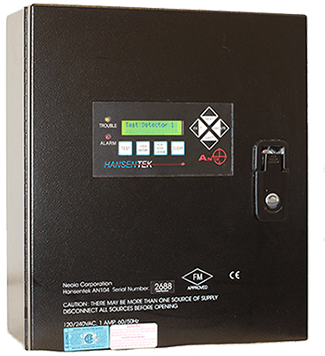
Sparks don’t announce themselves. In grinding, welding, or any process that generates heat and particulate, a single stray ember entering your dust collection system can ignite a fire or trigger an explosion before anyone realizes what’s happening.
A spark detection and extinguishment control panel gives you an early warning—and an immediate response—before a spark becomes a catastrophe. Standard features include:
You get protection that’s always watching, even when your team is focused on getting work done.
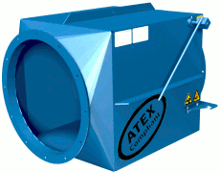
When a dust explosion occurs inside a collector, the energy doesn’t stay there—it travels back through your ductwork into your workspace. A backblast damper stops that from happening.
The CARZ Explosion Isolation Flap is constructed to respond in milliseconds—light enough to react instantly, strong enough to withstand explosive pressure. It opens with normal airflow and slams shut the moment a problem occurs, meeting NFPA standards for dust collector safety.
It also serves a secondary function: preventing stray dust from traveling back through the duct when the collector is shut off. A small detail that matters more than most people realize.
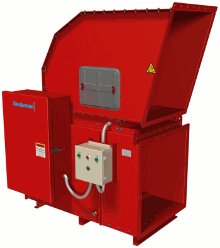
Backblast dampers guard the inlet side of your collector. But what about the outlet—the side where “clean” air is being returned to your workspace?
Our High-Speed Abort Gates, compliant with NFPA 664, are installed downstream of the dust collector. Working in tandem with your spark detection system, they close within milliseconds of detecting a fire or explosion—blocking sparks, flames, burning material, and combustion gases from re-entering your facility and diverting them to a safe zone instead.
Together, the CARZ Explosion Isolation Flap and the High-Speed Abort Gate give you complete protection on both sides of the collector—so that in the event of a fire or explosion, neither path back to your workspace is left open.

Industrial dust collection for worker safety works best when these components are integrated—not added one at a time as afterthoughts. Spark detection triggers the abort gate. The backblast damper seals the inlet. Every layer communicates with the others, giving your facility a coordinated response rather than isolated pieces of equipment hoping for the best.
That’s the standard your workers deserve. And with the right system in place, it’s absolutely achievable.

Many common industrial dusts are combustible, including wood dust, grain dust, metal powders, coal dust, sugar, and certain plastics. If you’re unsure whether your dust poses a combustion risk, a hazard assessment should be part of your safety evaluation.
While requirements vary by industry and application, NFPA standards—including NFPA 652 (the general combustible dust standard) and process-specific standards—increasingly point to spark detection as a best practice or requirement depending on your dust type and system design.
NFPA 664 specifically covers dust collection in woodworking facilities. If your operation involves wood dust, this standard is directly applicable and includes requirements for abort gates and explosion isolation.
In most cases, yes. Spark detection systems, backblast dampers, and abort gates can often be integrated into existing ductwork and systems. An evaluation of your current setup is the right first step.
A formal hazard assessment—often called a Dust Hazard Analysis (DHA)—is the recommended way to evaluate your current system against applicable standards. This should be done by a qualified professional familiar with combustible dust regulations.